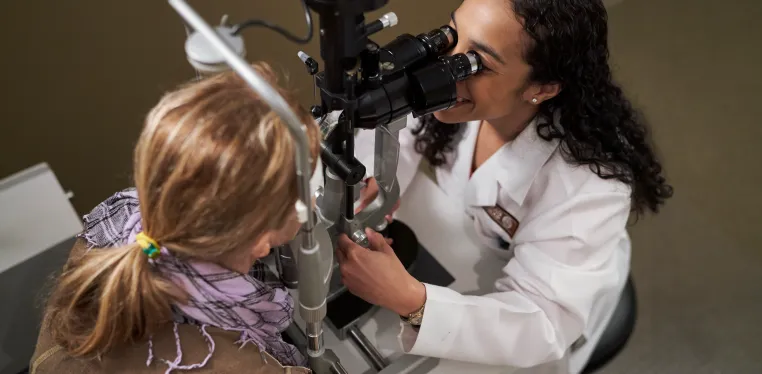
Good vision is essential for children's physical, developmental, and educational progress. The visual system of a young child is not fully mature — equal input from both eyes is required for proper development of the visual centers in the brain. If a growing child's eye does not provide a clear, focused image to the developing brain, irreversible vision loss in one or both eyes can result. Early detection through routine screening, followed by referral for ophthalmological examination when warranted, is the cornerstone of preventing this outcome.
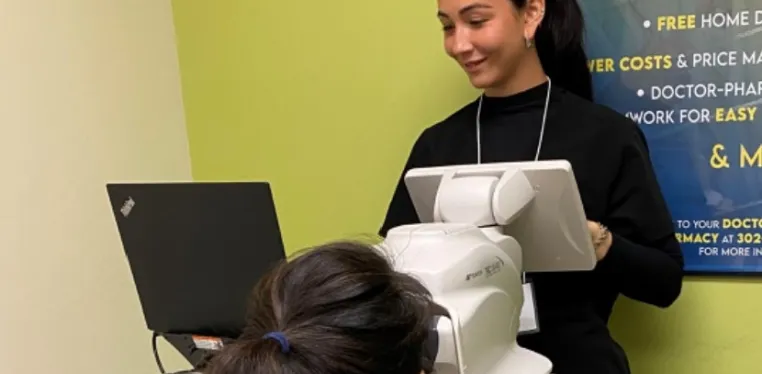
The Academy and AAPOS recommend that children be screened at birth, in infancy, during preschool years, and throughout the school years by pediatricians, family physicians, school nurses, and other trained health care providers. Additional screening should be performed at routine school or well-child visits every one to two years after age five. Any child who does not pass a screening should be referred for an ophthalmological examination.
The U.S. Preventive Services Task Force (USPSTF) recommends vision screening for children ages 3 to 5 specifically to detect amblyopia — a leading cause of preventable vision loss in children — or risk factors for amblyopia.
State requirements for vision screening vary widely. Approximately half of all states now require vision screening for preschool-age children, and the majority require screenings for school-age children. However, significant variation remains in screening methods, criteria, grade levels covered, and reporting requirements — pointing to the ongoing need for evidence-based state legislation that ensures consistent, high-quality screening for all children.